

Quick Summary
Angi’s 2026 data puts outlet installation in the Los Angeles area at about $150 to $340 per outlet. GFCI, USB, and 240-volt receptacles raise the price, as do long wire runs, hard-to-access walls, drywall repair, and permits. Outdoor outlets that need buried lines cost the most, and a full panel may need work before a new circuit can be added. An on-site estimate from a licensed electrician turns these ranges into a firm price.
A single outlet in the wrong spot can make a room feel half finished. Extension cords snake across floors, power strips pile up behind desks, and outdoor tools sit unused because there’s no nearby plug.
Homeowners who ask, “How much does it cost to add an electrical outlet?” quickly learn the answer depends on a few practical details. Wall access, distance from the panel, and the type of receptacle all affect the final price.
How Much Does It Cost to Add an Electrical Outlet in Southern California?
Direct Electric Company’s electricians hear this question regularly from homeowners in Murrieta, Temecula, and nearby communities. For reference, Angi’s 2026 cost data for the Los Angeles area shows typical outlet installations between $150 and $340 per outlet.
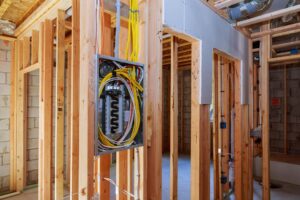
Projects that need a new dedicated circuit cost more, since they involve work at the panel. Labor makes up the bulk of the bill, and Southern California rates usually sit above national averages. A realistic estimate starts with a look at your panel and the wire’s path, and the figures in this article are general estimates that vary with your home’s layout and local permit fees.
Typical Price Ranges by Outlet Type
The receptacle itself can noticeably affect cost. Published estimates for installed outlets include:
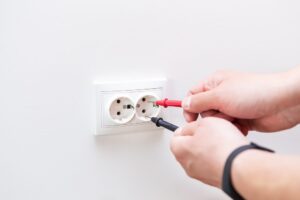
- Standard 120-volt outlet: About $150 to $340 in the Los Angeles area, according to Angi’s Los Angeles estimate, when an existing circuit has spare capacity.
- GFCI outlet: About $130 to $300 nationally, according to Angi’s GFCI cost data, and often required near kitchens, bathrooms, garages, and laundry areas.
- USB or smart outlet: Similar to a standard outlet, with the device itself adding to the price depending on its features.
- Dedicated 20-amp circuit: Higher than a simple outlet, since the work includes a new breaker and a run from the panel for appliances, including microwaves, freezers, or space heaters.
- 240-volt outlet: About $250 to $800 on average, according to HomeGuide, for dryers, ranges, or EV chargers.
Pairing a new outlet with other electrical outlets & switches services, like swapping old switches for dimmers, can make a single service visit cover more ground.
What Drives the Final Price
Two outlets that look identical on paper can come with very different quotes. The difference usually comes down to these factors:
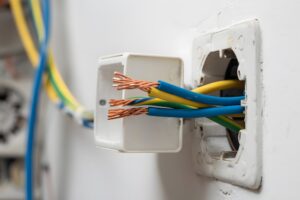
- Distance from the panel: Longer wire runs add material and labor time.
- Wall and ceiling access: Open basements and attics keep costs down, and plaster, tile, or masonry walls push them up.
- Drywall repair: Patching and painting after cable is routed adds to the total.
- Permits: Electrical permits range from about $50 to $400, according to Angi’s permit estimate, depending on the project.
- Panel capacity: A full panel may need work before you can add a new circuit.
- Timing: Same-day or after-hours calls can carry a premium.
An outlet near an accessible attic with a roomy panel sits at the low end of the scale. One that crosses finished walls in an older home usually costs more.
When the Panel Needs Attention
A panel without open slots or spare capacity changes the budget considerably, since a subpanel or full upgrade adds a larger project to the job. Our electrical panel services cover both.
Older homes with outdated equipment may need panel work before new circuits can be added safely. Qualifying panel upgrades and EV charger installations may be eligible for up to $4,200 in rebates, so ask about eligibility early.
Budgeting for How to Move Electrical Outlet Locations
Relocating an existing outlet usually costs less than adding a brand-new circuit, with Angi’s estimate for moving an outlet at about $200 to $300. Moving a receptacle a few feet along the same wall is the simplest version of this job, where the old box often becomes a junction box with a blank cover or the wire gets rerouted.
Longer moves, relocations to another wall, or outlets set into tile backsplashes can push the price toward the upper end. Electrical code generally requires junction boxes to stay accessible, so burying old connections behind drywall is a mistake worth avoiding.
How to Install an Outdoor Electrical Outlet and What It Costs
Outdoor receptacles come in handy for patio lighting, holiday displays, pool equipment, and power tools. An exterior outlet on a wall that ties into an indoor circuit costs less than a detached yard outlet, which Angi’s national outlet data puts at about $1,000 to $1,400 when it requires burying electrical lines.
Exterior outlets typically need GFCI protection, a weather-resistant receptacle, and an in-use cover that stays closed with a cord plugged in. Buried cable also carries minimum depth requirements that vary by wiring method.
Smart Ways to Keep Costs in Check
A few planning choices can trim the bill without cutting corners. Bundling several outlet jobs into one visit spreads trip charges and permit fees across more work. Choosing a location close to an existing circuit or an open attic often reduces labor. Timing outlet additions with a remodel saves on drywall repair, as the walls are already open.
Interest-free financing, with up to 18 months interest-free, can also make larger projects, including a panel upgrade, easier to manage. DIY electrical work may look cheaper upfront, but wiring and panel mistakes can create fire hazards and complicate insurance claims or home sales later.
Setting a Realistic Budget for Your New Outlet
Adding an outlet can range from a quick, affordable upgrade to a larger project involving new circuits or panel work. The outlet type, wire route, wall materials, and permit needs shape the final number. A site visit turns a rough estimate into a firm figure you can plan around.
Request a quote for your outlet project, and our team will give you a firm price after reviewing the work.
FAQs
How long does it take to add an electrical outlet?
A simple outlet on an existing circuit often takes one to three hours. Jobs involving a new circuit, long wire runs, or panel work can stretch into a full day.
Do electricians charge a flat rate or by the hour for outlet work?
Flat-rate pricing is often used for straightforward outlet installs, giving homeowners a set price before work starts. Hourly billing sometimes applies to troubleshooting or projects with unknown conditions behind the walls.
Can I replace a two-prong outlet with a three-prong outlet?
A three-prong outlet needs a ground wire or GFCI protection labeled “No Equipment Ground” to meet code. Adding a ground wire costs more, so GFCI protection is often the budget-friendly path.