

Quick Summary
Relocating an outlet works best with a clear plan for distance, wall access, circuit capacity, and in-wall obstacles. Common methods include converting the old box into an accessible junction box, rerouting existing cable, running new cable, or using surface raceway. Exterior wall outlets need GFCI protection, weather-resistant receptacles, and in-use covers. Yard outlets add burial depth rules, conduit, sturdy mounting, and a call to 811 before digging.
A remodel, a new furniture layout, or a wall-mounted TV can leave an outlet in an awkward spot. Moving it a few feet sounds simple, yet the job involves live circuits, hidden wiring, and code rules about what can stay behind the drywall.
Homeowners exploring “how to move electrical outlet” options benefit from understanding what the job involves before a licensed electrician opens the wall. Careful preparation keeps the project safe and the finished result tidy.
Planning How to Move an Electrical Outlet
At Direct Electric Company, our electricians usually begin relocation jobs with a few quick questions. How far does the outlet need to go, and will it stay on the same wall? Is the circuit already near capacity, or will the new spot serve heavier equipment?
Do studs, plumbing lines, or ductwork sit in the path? The answers shape the method, the materials, and the time involved. If you are comparing approaches to how to move an electrical outlet, you may often find a short move along one wall is the simplest version of the job.
Common Ways to Relocate an Outlet
The best method depends on distance, wall access, and the existing wiring. Typical options include:
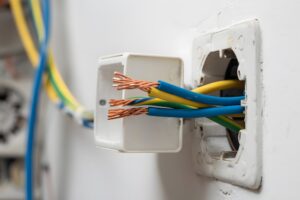
- Branch from the old box: The original box becomes a junction box with a blank cover, and new cable runs to the new location.
- Reroute the existing cable: When the cable has enough slack, it can be pulled back and fed directly into the new box.
- Run new cable from the source: A fresh run from the previous outlet in the chain or from the panel works well for longer moves.
- Surface raceway: A wall-mounted channel offers a quick option where opening the drywall isn’t practical.
Relocations often pair naturally with other electrical outlets & switches services, including adding a dimmer or swapping in USB receptacles nearby.
Safety and Code Rules That Apply
Before any wires are disconnected, our electricians shut off the breaker feeding the outlet and confirm the power is off. Splices must stay inside an approved box, and electrical code generally requires junction boxes to remain accessible.
Burying a splice behind drywall can create a fire risk and a failed inspection. New wire has to match the existing gauge, and the new box needs enough room for the conductors it will hold. Moving an outlet into a kitchen, bathroom, or bedroom may also trigger GFCI or AFCI requirements. Relocation involves opening walls and handling live circuits, so hire a licensed electrician for the work, and our team can help you understand what your city requires before it begins.
How to Install an Outdoor Electrical Outlet on an Exterior Wall
Exterior outlets come in handy for patio lights, power tools, and holiday displays. The simplest approach is to place the new outlet on the opposite side of an interior wall that already has a receptacle. A short cable run through the wall connects the two boxes with minimal disruption.
Outdoor receptacles typically need GFCI protection and a weather-resistant rating, marked “WR” on the face. An in-use cover, often called a bubble cover, keeps rain out even with a cord plugged in. Sealing the box edges with exterior caulk adds another layer of moisture protection, especially on stucco walls.
Running Power Into the Yard
Homeowners researching “how to install outdoor electrical outlet in yard” projects should know the job adds several requirements that a licensed electrician plans for:
- Burial depth: Minimum depths vary by wiring method and often range from about 12 to 24 inches.
- Conduit: PVC conduit protects the wire from shovels and roots and makes future repairs easier.
- Mounting: A sturdy post or pedestal keeps the box above ground and stable through the seasons.
- GFCI protection: Outdoor receptacles generally need ground-fault protection at the outlet or the breaker.
- Call 811: Buried utility lines are marked before any digging to help prevent dangerous and costly strikes.
Yard outlets often serve fountains, outdoor kitchens, or hot tubs, and pool, spa, and BBQ wiring carries its own set of code requirements worth reviewing early.
Putting Power Where You Need It, Safely
Relocating an outlet can make a room more practical and an outdoor space far more usable. Careful planning, accessible junction boxes, and the correct protection for wet locations keep the work safe and up to code.
Trenching, splices, and panel connections all call for a licensed electrician. Speak with our team about relocating your outlets, and let our outlet relocation services handle the work from start to finish.
FAQs
Can I move an outlet higher to hide cords behind a wall-mounted TV?
Raising an outlet behind a TV is a common request and keeps cords out of sight. Running a TV’s power cord inside the wall generally violates code, so a recessed outlet or an approved in-wall power kit is the safer route.
Can a wall outlet be relocated to the floor?
Floor outlets are possible with a box rated for floor installation and a cover designed for foot traffic. Homes on a concrete slab usually need cutting or trenching, which adds time and cost.
Can an outlet be moved into a kitchen backsplash?
Backsplash outlets need GFCI protection and must follow countertop spacing rules. Tile cutting and patching can add complexity, so planning the location before tile goes up makes the work much easier.