
Quick Summary
A Level 1 charger plugged into an existing household outlet needs no permit, but a Level 2 charger on a new 240-volt circuit, a new NEMA 14-50 outlet, or any panel upgrade requires an electrical permit and an inspection in California. State law requires cities and counties to offer streamlined permitting for home EV chargers, so the paperwork is usually quick when a licensed electrician submits it. Homeowners in HOA communities also need association approval, though California law limits an HOA’s ability to say no.
A new electric car often comes home before the charging plan is settled, and the first practical question is whether hooking up a faster charger means dealing with the city. Homeowners across Murrieta, Temecula, and the Inland Empire ask us whether they need a permit to install an EV charger almost as often as they ask about charger models.
At Direct Electric Company, we handle the permit as part of every EV charger installation, and the rules are simpler than they look once you know which kind of charger you are adding. The short answer depends on the charging level and the electrical work behind it. As a Tesla-certified installer with a licensed C-10 team, we pull these permits regularly and know what inspectors in our area expect to see.
Do I Need A Permit To Install An EV Charger In California?
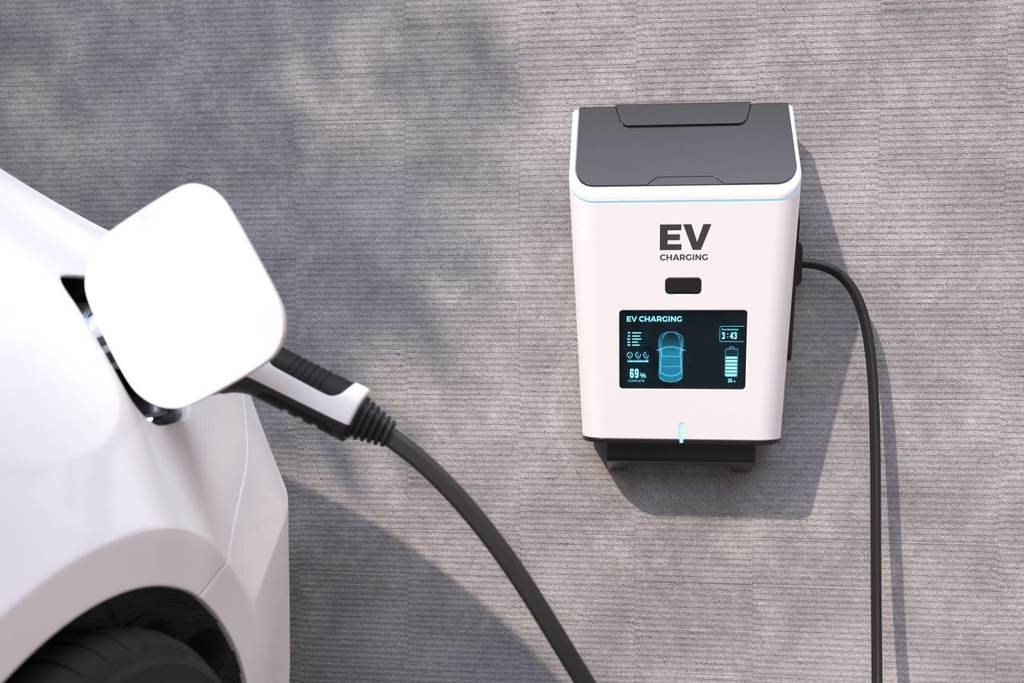
A Level 1 charging cord that plugs into an existing 120-volt outlet needs no permit, because no new electrical work is involved. Adding a Level 2 charger is different. A new 240-volt circuit, a hardwired wall charger, or a new NEMA 14-50 receptacle all count as electrical work that requires a permit and a final inspection.
The permit becomes even more important when the home needs more capacity. If a load calculation shows the existing service cannot carry the charger, an electrical panel upgrade adds a separate scope to the permit and usually requires the utility to schedule a disconnect and reconnect.
Level 1 Vs. Level 2 Charging At Home
Level 1 charging uses a standard household outlet and adds range slowly, which can work for drivers with short commutes. A Level 2 charger runs on 240 volts, the same type of circuit that feeds an electric dryer or range, and it can refill a typical daily commute overnight.
Level 2 chargers come in two styles. Hardwired units such as Tesla Wall Connectors and Wallbox chargers connect directly to the circuit, and plug-in units use a NEMA 14-50 outlet. Both need a dedicated circuit sized to the charger’s output, and both fall under the permit requirement. A dedicated circuit also keeps the charger from competing with other loads on hot Inland Empire evenings, when air conditioners run hardest.
What The Inspector Checks
A building inspector looks at the details that keep a high-power circuit safe over years of nightly use. The review usually covers the breaker size and wire gauge, the charger’s listing and mounting, GFCI protection where the code requires it, proper labeling in the panel, and clearances around the equipment.
A clean inspection comes down to doing those details carefully the first time, so our electricians test the circuit, torque the connections, and label the panel before the inspector arrives.
California’s Streamlined EV Charger Permitting
California passed AB 1236 to make home EV charger permits faster and more predictable. The law requires cities and counties to adopt an expedited permitting process, publish a checklist of requirements, and accept applications electronically where they can.
In practice, that means a standard residential charger permit is often a short administrative step. Individual cities still set their own fees and inspection scheduling, so the timeline varies slightly between Murrieta, Temecula, and other Inland Empire communities.
HOA Rules For Home EV Chargers
Homeowners in planned communities and condominiums need approval from their association before installing a charger. California Civil Code Section 4745 limits an HOA’s ability to prohibit or unreasonably restrict EV charging in a homeowner’s own garage or assigned parking space.
The association can still set reasonable rules, such as requiring a licensed contractor, proof of insurance, or payment for the electricity used from a common meter. Submitting the HOA application alongside the city permit keeps the project on schedule, and we can provide the equipment details and contractor information associations commonly request.
Permit Paperwork and Fees
A licensed electrician usually pulls the permit, schedules the inspection, and meets the inspector on site. Permit fees vary by city and by scope, and they belong in any written estimate so the total is clear before work begins.
Skipping the permit can cost more later on. An unpermitted charger may need to be opened up and inspected before a home sale, and some utility rebate or charger warranty programs ask for proof of a permitted installation.
We offer same-day availability as a Google Guaranteed business, back our installations with a 1-year workmanship warranty, and have earned hundreds of five-star reviews across the Inland Empire.
Charging Ahead With A Permitted Installation
A permitted Level 2 charger protects your home, your insurance, and your resale value, and the process moves quickly with the paperwork handled for you. One simple tip: choose your charger before the site visit, and browse our EV chargers if you are still comparing models, because the charger’s amperage sets the circuit size listed on the permit.
Have questions about permits for your charger? Send our team a message at Direct Electric Company, and we can map out the paperwork with you.
FAQs
Can I install an EV charger myself?
California allows owner-builder permits for your own home, so a homeowner can legally pull one. A new 240-volt circuit still has to pass the same inspection a contractor’s work does, and a licensed electrician handles the load check, the permit, and the inspection in one visit.
What is the 80% rule for EV?
Drivers use the 80% rule to describe charging the battery to about 80% for daily driving and saving full charges for road trips. Setting that limit in the car or charger app can help battery health over the long run.
Can I use my dryer outlet to charge my EV?
A dryer outlet can charge an EV when a listed sharing device lets the dryer and the charger take turns on one circuit. Plugging an adapter in without checking the circuit and the receptacle can overheat it, so have an electrician confirm the setup first.
How long does an EV charger permit take?
An EV charger permit is often issued quickly, sometimes the same day it is submitted online. The inspection follows the installation, so the full timeline depends mostly on the inspector’s schedule in your city.
Does a permitted EV charger affect home insurance?
A permitted, inspected installation gives your insurer a clear record if a claim ever involves the charger or its circuit. Keep the signed inspection card with your home records, because it also answers questions from future buyers.