

Quick Summary
Loose plugs, warm or scorched cover plates, buzzing sounds, and cracked housings signal an outlet that needs replacing. A dead outlet often traces back to a tripped GFCI, a tripped breaker, or a wall switch before the receptacle itself is at fault. A replacement is also a chance to upgrade to GFCI, AFCI, tamper-resistant, or USB outlets matched to the circuit, and a licensed electrician should handle the swap, especially with aluminum wiring, scorched conductors, or repeat breaker trips.
Outlets get plugged into and pulled from thousands of times over the years, and the wear eventually shows. A plug that slides out with a light tug, a cover plate that feels warm, or a faint buzzing sound can point to a receptacle on its way out.
Homeowners who learn when to replace electrical outlet components protect their families, their electronics, and their homes. A little attention to these small devices goes a long way toward a safer household.
Signs It’s Time to Replace an Electrical Outlet
Direct Electric Company electricians often trace household electrical complaints back to a single tired receptacle. The signs are usually easy to spot once you know what to look for:
- Loose grip: Plugs that slip or fall out point to worn contacts inside the receptacle.
- Heat or discoloration: Warm cover plates or brown scorch marks signal a possible fire hazard.
- Buzzing or crackling: Unusual sounds often come from loose connections or arcing.
- Cracks or chips: Damaged housings can expose live parts and raise the risk of shock.
- Two-prong outlets: Older ungrounded receptacles lack the protection modern electronics need.
Spotting these signs early makes it easier to schedule an electrical outlet replacement before a minor nuisance becomes a safety concern. Outlets in kitchens, garages, and home offices see heavy daily use, so they deserve a closer look during routine home maintenance.
Electrical Outlet Not Working? Start With a Few Simple Checks
A dead receptacle may have a simple explanation. Look for a tripped GFCI outlet nearby, since one GFCI can protect several downstream receptacles in a kitchen, bathroom, or garage, and press its reset button. Next, check your breaker box for a breaker sitting in the middle or off position and reset it once.
Certain outlets are also controlled by a wall switch, which is easy to overlook in bedrooms and living rooms. If power still doesn’t return, a loose wire or a failed receptacle is the likely cause, and that is the point to stop and call an electrician. Faulty receptacles often appear alongside worn switches in older homes, which is why our electrical outlets & switches Services usually look at the whole circuit.
Choosing the Correct Replacement Outlet
Swapping an old outlet for the same model works in some cases, yet a replacement is also a chance to upgrade. Common options include:
- Standard duplex: The everyday 15-amp receptacle found in bedrooms, hallways, and living areas.
- GFCI: Typically required near water, including kitchens, bathrooms, laundry rooms, garages, and outdoor spaces.
- AFCI or dual-function: Detects dangerous arcing and appears in bedrooms and living spaces under newer codes.
- Tamper-resistant: Internal shutters block objects from entering the slots, a smart pick for homes with young children.
- USB and smart outlets: Integrated charging ports or app control add everyday convenience without extra adapters.
The receptacle also has to match the breaker and wire size. A 20-amp receptacle belongs on a 20-amp circuit, and our electricians confirm the circuit before choosing the device.
What a Professional Outlet Replacement Involves
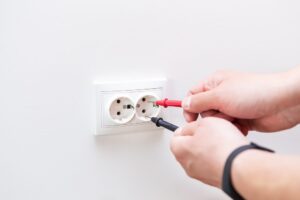
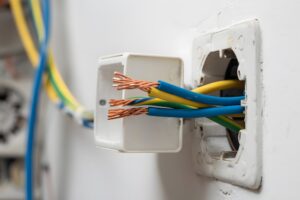
Our electrician shuts off the breaker, verifies the circuit is dead with a tested meter, and removes the old receptacle. The wiring inside the box gets a close look for loose connections, brittle insulation, or heat damage before anything new goes in.
The new receptacle is connected to matching terminals, secured in the box, and tested for correct polarity, grounding, and GFCI function where required. A mistake can leave a hidden shock or fire hazard, so outlet replacement is a job for a licensed electrician rather than a weekend project.
When a Licensed Electrician Is the Safer Choice
Certain situations call for more than a simple swap. Aluminum wiring, scorched conductors, or crumbling insulation inside the box point to deeper issues. Outlets that trip breakers repeatedly or stay warm after replacement may signal a circuit or load problem.
Upgrading two-prong receptacles to grounded ones can require running a new ground wire or adding GFCI protection. Homes with several aging outlets often benefit from electrical safety inspections that review receptacles, wiring, and the panel together. Permit requirements for outlet work also vary by city, so a quick check with your local office is worthwhile.
Keeping Your Home’s Outlets Safe and Dependable
Worn outlets usually give off warning signs long before they fail. Watching for loose plugs, heat, and strange sounds helps you catch problems early, and having a licensed electrician choose and install the correct outlet type keeps each replacement safe.
Direct Electric Company’s licensed electricians handle outlet replacements of every kind and check the circuits behind them. Book online to schedule your outlet upgrades.
FAQs
How often should electrical outlets be replaced?
Outlets commonly last around 15 to 25 years under normal household use. Receptacles in kitchens, garages, and workshops may wear out sooner due to frequent plugging and heavier loads.
Is it safe to replace an outlet with the power on?
Working on a live outlet carries a serious risk of shock and burns. Outlet work should be handled by a licensed electrician who de-energizes and tests the circuit before starting.
Are backstab connections a good choice when wiring an outlet?
Backstab holes on the back of a receptacle can loosen over time and lead to overheating. Side-screw terminals generally hold wires more securely, which is why our electricians use them on replacements.